
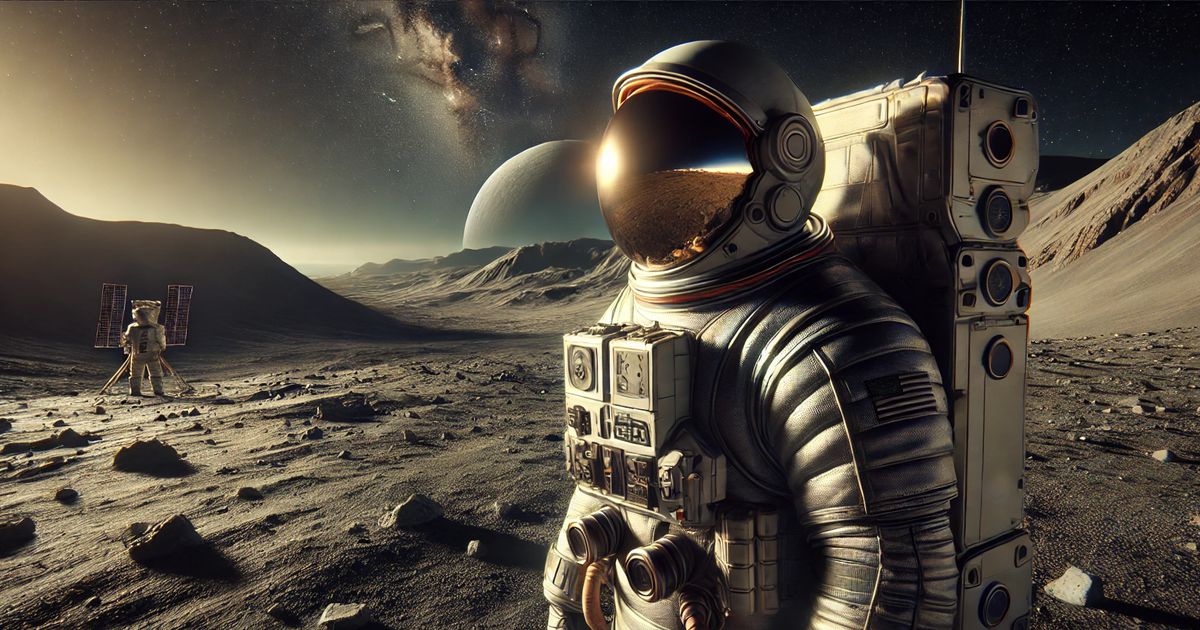
NASA and Google have joined forces to design a cutting-edge artificial intelligence (AI) medical assistant intended to support astronauts during space missions. This innovative system is being created to help address medical challenges that may arise in deep space exploration, including long journeys to the Moon and Mars where immediate access to professional doctors is impossible.
The AI assistant is envisioned as a digital companion capable of analyzing symptoms, recommending treatments, and guiding astronauts through emergency medical procedures. Given the high risks associated with long-duration space travel—such as radiation exposure, bone density loss, and psychological stress—having an onboard system trained to provide reliable medical advice could be crucial for astronaut survival.
How the AI Assistant Works in Space Missions
The AI medical assistant under development is designed to function autonomously, even with limited internet connectivity. Spacecraft operating far from Earth face significant communication delays, making real-time consultations with medical experts nearly impossible. This is where AI could fill the gap.
Using vast medical databases and machine learning algorithms, the assistant could diagnose conditions based on reported symptoms and biometric data from wearable sensors. It may also be programmed to guide astronauts step-by-step in procedures such as wound care, administering injections, or even performing minor surgical tasks if required.
Google’s expertise in AI and cloud computing complements NASA’s knowledge of human spaceflight, allowing the project to combine medical knowledge with advanced AI technology. The collaboration highlights how space agencies are increasingly partnering with tech giants to push the limits of innovation.
The Importance of Medical Autonomy in Deep Space
Unlike missions aboard the International Space Station, where astronauts can consult Earth-based doctors almost instantly, deep space missions introduce long communication lags. For example, signals between Mars and Earth can take up to 20 minutes one way. In critical medical emergencies, waiting for advice could mean the difference between life and death.
This is why medical autonomy is considered one of the top priorities for future human space exploration. An AI medical assistant could ensure astronauts are not left helpless in dangerous situations. It would not replace trained professionals, but rather act as an emergency guide capable of delivering evidence-based recommendations until further instructions can be received from Earth.
Moreover, the system could monitor astronauts’ physical and psychological well-being over time, detecting early warning signs of fatigue, anxiety, or illness before they escalate. This proactive health monitoring could be essential in preventing mission-threatening medical crises.
Broader Impact Beyond Space Exploration
The development of an AI medical assistant for space has implications far beyond astronaut missions. Once fully refined, similar technology could be applied in remote areas on Earth where access to medical professionals is limited. Rural communities, disaster zones, or military operations could all benefit from an AI-powered healthcare system capable of guiding non-experts through critical situations.
Healthcare experts suggest that such technology could also ease the burden on overworked medical staff by handling routine consultations or triage processes. The lessons learned from developing an AI system resilient enough for space could inspire more reliable and scalable solutions for healthcare on Earth.
The collaboration between NASA and Https://malaka555.sg-host.com/ is still in its early stages, but the project has already attracted global attention. As humanity prepares for longer and more ambitious missions beyond Earth, equipping astronauts with an AI-powered medical assistant could become a vital safeguard for the success of interplanetary exploration.